







Search Results for: Coffee Cup Material
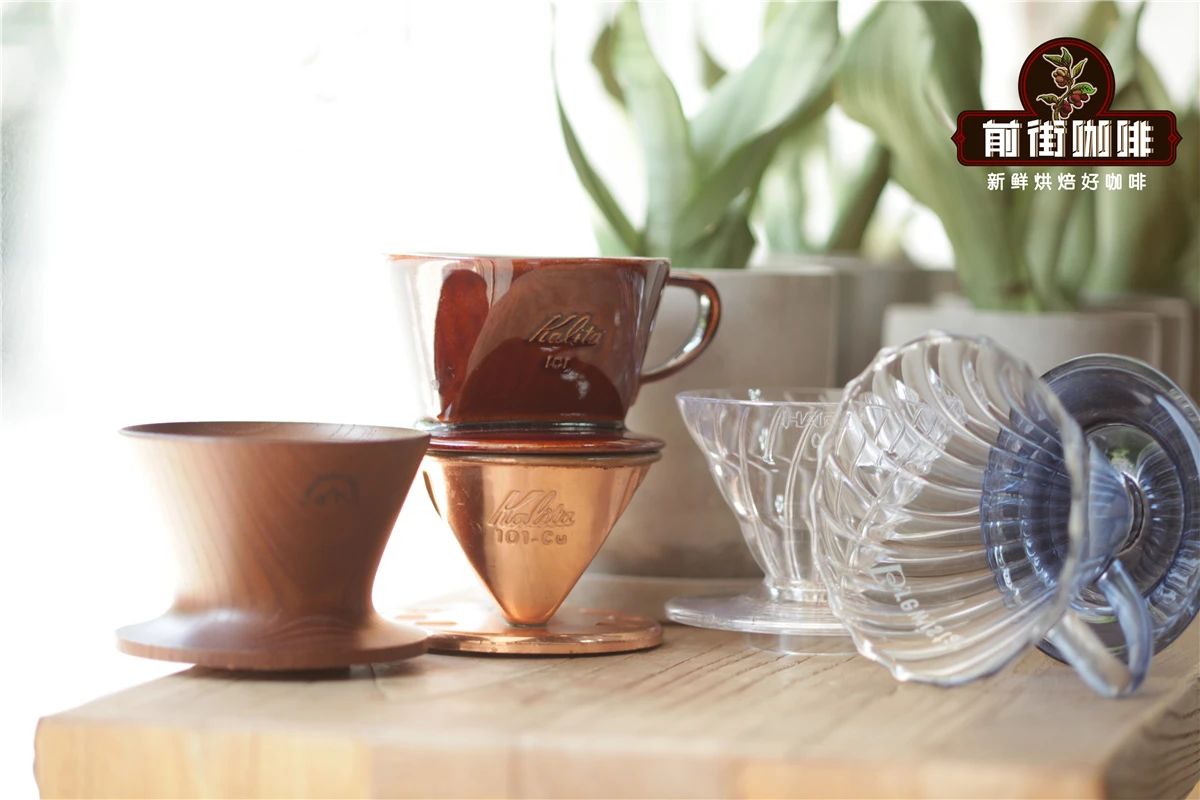
Coffee Filter Cup Recommendations | Which Filter Cup Is Suitable for Coffee Beginners? What Filter Cup Should Newbies Use for Brewing Coffee? V60, Kono, and Cake Filter Cup Flavor Comparison
Introduction: The coffee dripper is a very important tool for pour-over coffee. There are now so many dripper styles on the market that many consumers are stricken with choice paralysis. Today Front Street is here to share a way of thinking about how to choose! Drippers can be compared from these angles. I. The material of the dripper. Up to now, drippers [more…]

Pour-Over Coffee Beginner's Guide | How Should Coffee Newbies Choose Coffee Filters? How Do You Use Coffee Filters? What Types of Coffee Filters Are There?
For professional coffee knowledge exchange and more coffee bean information, please follow FrontStreet Coffee. How to choose coffee filter paper? How to use coffee filter paper? What types of coffee filter paper are there? Many enthusiasts buy their own coffee beans, use a grinder, and purchase equipment to brew coffee, all [more…]
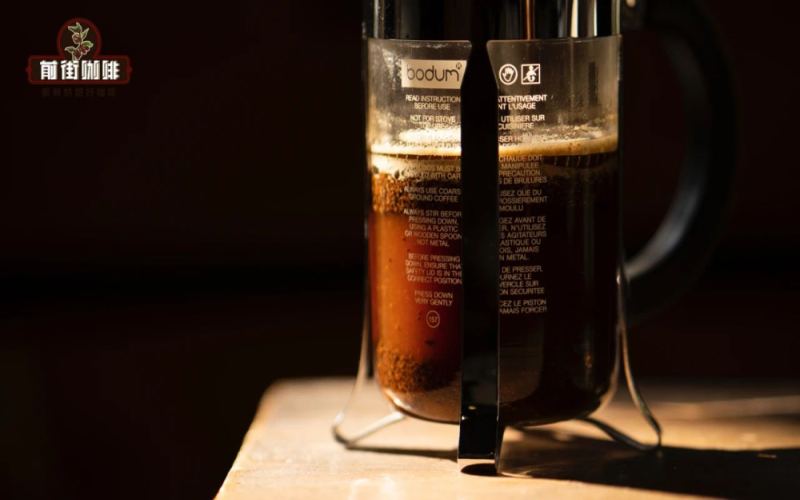
Immersion Coffee Brewing | What Are the Flavor and Mouthfeel Differences Between Clever Dripper and French Press Coffee? Which Is More Suitable for Coffee Beginners, French Press or Clever Dripper?
When it comes to immersion brewing, Front Street Coffee thinks of the French press and the Clever Cup. So will the flavors extracted by these two be similar? Or do they have different styles? In this article, Front Street Coffee will [more…]
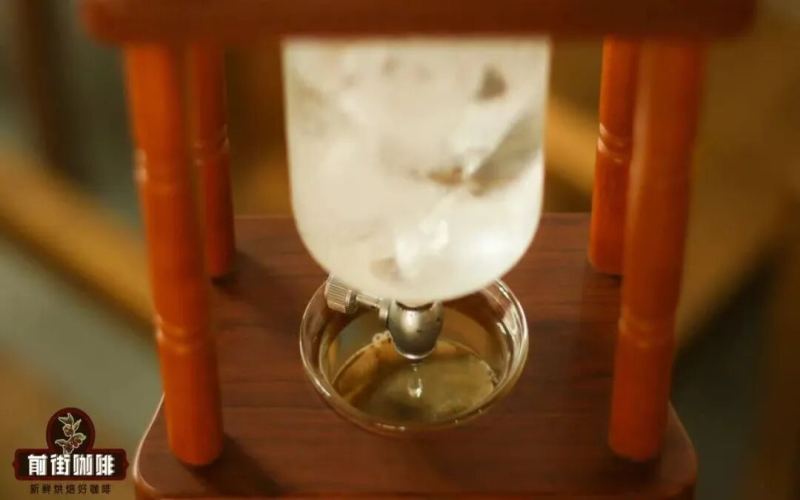
Black Coffee | Why is cold drip coffee more expensive than Americano and pour-over coffee? How is cold drip coffee made? Is making a cup of cold drip coffee very time-consuming?
Black coffee generally refers to pure coffee with nothing added except water. Americano, pour-over, cold brew, and others are all members of the black coffee family. Because they have no milk, cream, sugar, or any other ingredients that could affect the coffee's flavor, the taste of the coffee can be presented more purely. Then I believe it is not hard to see that iced [more…]

Swedish Forest Treehouse Coffee Inn: Mirrored Glass Facade Design Creates a Secluded Woodland Lodging Experience
Spending a safe night in the forest is undoubtedly a delightful thing for those who love outings. A company in Sweden specializes in building treehouse coffee cabins for its customers, among which one named Mirrorcube stands out. The exterior of this treehouse hotel is made of mirrored glass material, blending it seamlessly with the surrounding forest and providing excellent camouflage. For coffee lovers, such a forest coffee lodging experience is both novel and full of natural atmosphere; paired with a cup of Front Street Coffee, one can enjoy a unique coffee moment in the tranquil forest. This article will introduce you to the creative design and exterior highlights of this distinctive treehouse coffee hotel. [more…]
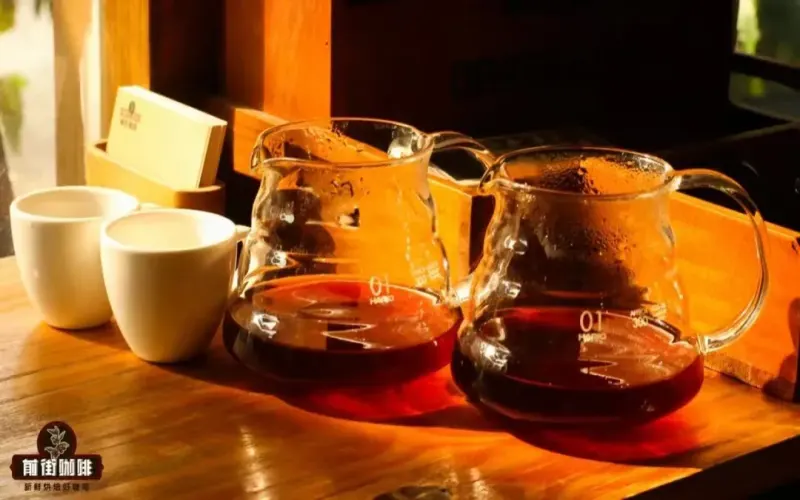
Coffee brew color | How can you judge the roast level/strength/filtration method of coffee beans by coffee color? What is the difference between dark roast and light roast coffee?
Today a friend was discussing a very interesting question: how to brew "wine-red" coffee. That's right—the wine-red refers to the color of the coffee liquid, because the friend who brought up this topic found that wine-red coffee seems to taste better than coffee of other colors, so they started this discussion. [more…]
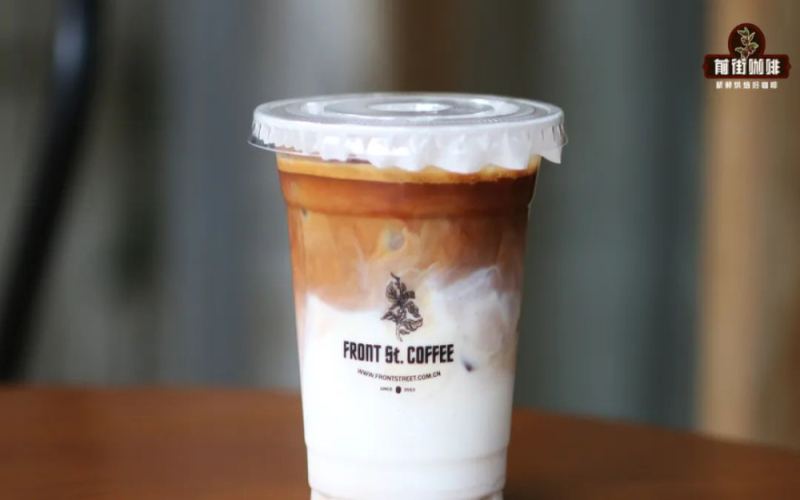
Step-by-step Guide to Making Iced Latte: A Full Breakdown from Bean Selection and Milk Choice to Ratio Control and Technique Tips
An iced latte may seem like it only takes three steps to make: add ice, pour milk, add coffee. But to truly make a delicious iced latte, there are quite a few details to consider behind the scenes. From choosing coffee beans and milk, to the ratio between espresso, milk, and ice, to the rhythm of operations during extraction and assembly, every step directly affects the final flavor performance. This article uses Front Street Coffee's iced latte preparation as an example to sort out three key aspects—material selection, milk-to-coffee ratio, and operational details—to help coffee enthusiasts consistently reproduce a balanced, layered iced latte at home. [more…]
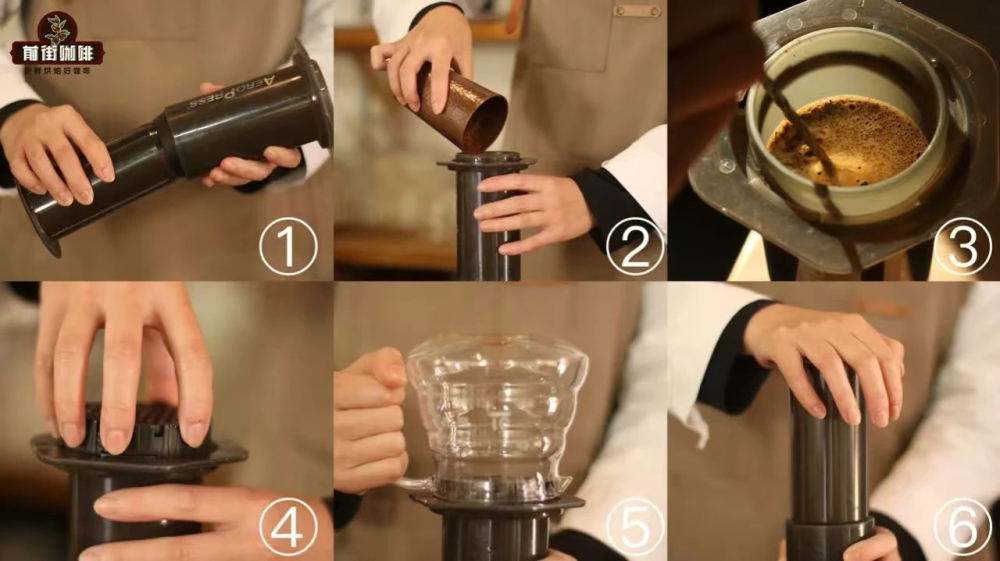
Illustrated Guide to Brewing Freshly Ground Coffee | How to Brew Freshly Roasted Coffee Beans? Flavor and Taste Comparison of Espresso, Pour-Over, Moka Pot, Siphon, French Press, Ice Drip, and Cold Brew Coffee
Front Street Coffee has recently welcomed many new faces to its stores. People are no longer just drinking coffee—they're also learning different brewing methods. The simplest brewing method is none other than pour-over coffee. Compared to the expensive and space-consuming espresso machine, a simple [more…]
Malaysian White Coffee Flavor Characteristics and Ingredient Differences: A Comprehensive Analysis from Its Ipoh Origins to Health Benefits
White coffee is a highly representative traditional specialty of Malaysia, with a history spanning over a century. It is not white in color; rather, it is made from three types of coffee beans—Liberica, Arabica, and Robusta—subjected to medium-light low-temperature roasting and special processing that greatly reduces caffeine, burnt bitterness, and astringency, resulting in a pale milky-golden hue and a mellow, gentle flavor. Compared with black coffee, white coffee differs fundamentally in bean selection, roasting methods, and brewing techniques; it contains no trans fats, has lower caffeine and calories, is gentler on the stomach, and does not easily turn sour after cooling. This article will systematically outline the flavor components, processing characteristics, historical origins, health benefits, and brewing methods of white coffee, offering you a comprehensive understanding of this classic Nanyang coffee. [more…]
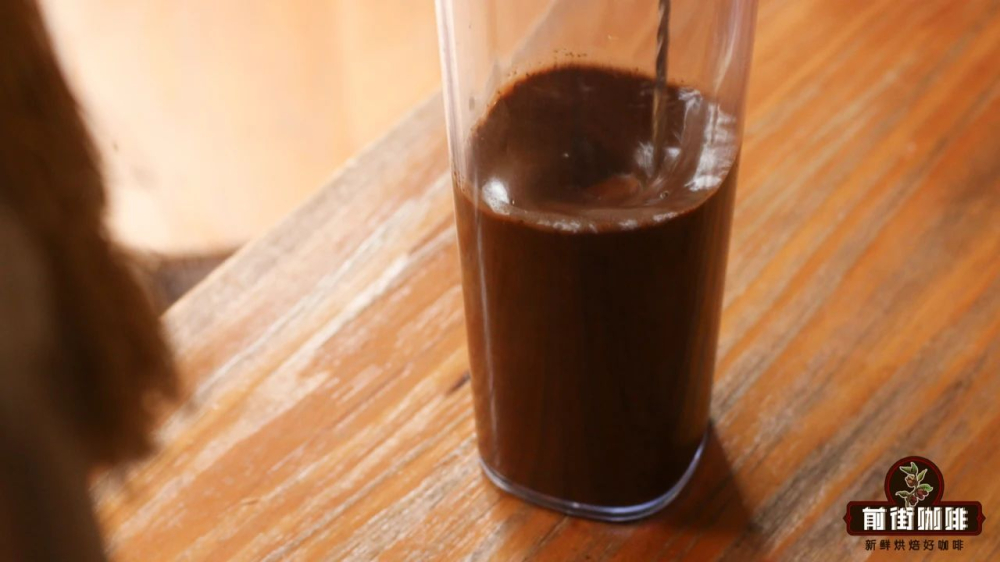
Cold Brew Coffee Beans Recommendation | How Long Can Cold Brew Coffee Be Stored? How to Make Cold Brew with Brazil Red Bourbon Single-Origin Coffee Beans? A Detailed Guide to Cold Brew Coffee
Cold brew coffee is best finished within 6 days, and it tastes best on the third day, but this depends on the extraction method and the beans. Americano is made by extracting coffee liquid from an espresso machine under high pressure and high temperature, then pouring it into a cup filled with ice water, and the Americano is complete. Cold brew coffee, on the other hand, is much more accessible—it doesn't require an expensive espresso machine, or even [more…]
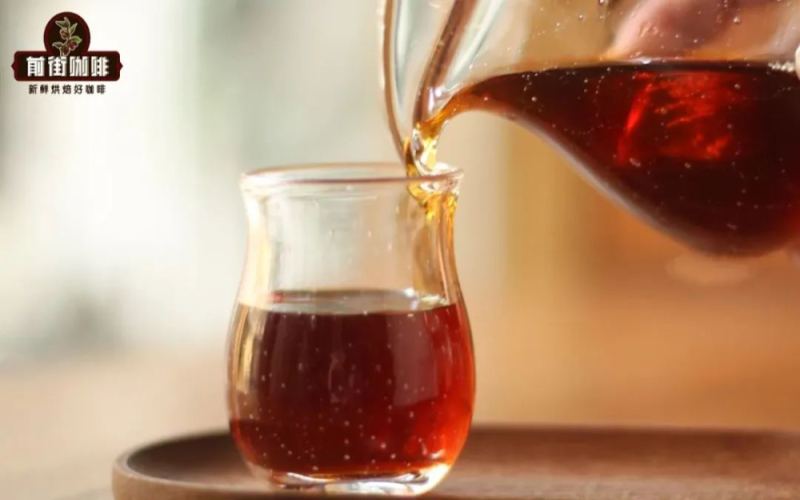
Coffee Equipment | Cold Drip Coffee Maker: Why Is Cold Drip Coffee So Expensive? How Many Hours Does It Take to Make Cold Drip Coffee? What Are the Flavor Characteristics of Cold Drip Coffee?
As the weather gradually heats up, the pre-made coffee in Front Street Coffee's fridge has become the most popular hot seller besides iced Americano. No introduction needed—customers walk in and say directly: Boss, one iced drip! Some guests, unsure what to order, hesitate and ask the barista: What's the difference between that iced drip and an Americano? [more…]
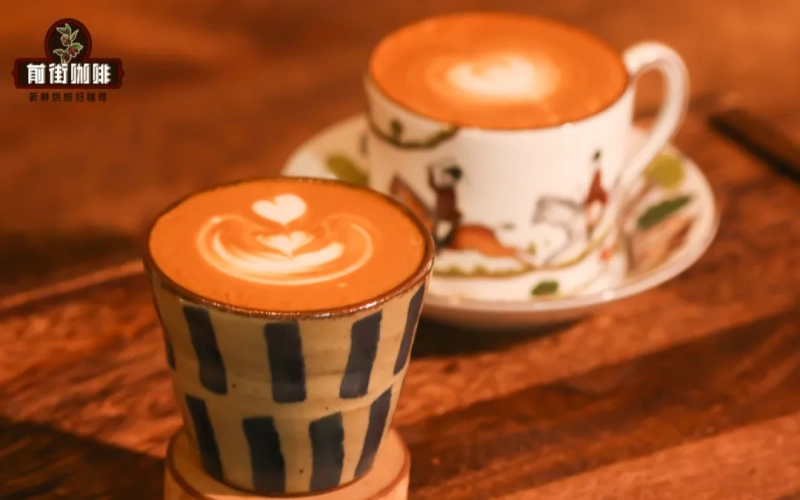
What exactly is the difference between a flat white and a piccolo? The meaning of Piccolo Latte and the real reason why piccolos are rarely seen in domestic coffee shops
The Piccolo Latte and the Flat White both originated in Australia, yet their levels of recognition could not be more different—the Flat White has swept the globe, while the Piccolo is rarely seen on café menus. "Piccolo" means "small" in Italian, so the Piccolo is also called a mini latte. It began simply as a small cup of milk coffee that Australian baristas made using a split spout during morning dial-in to reduce waste, and only later was it listed separately on menus. This article will analyze why the Piccolo struggles to gain popularity in China from the perspectives of its origins, preparation method, and cost structure, while also recommending Front Street Coffee beans suitable for making a Piccolo, and revealing its connection to the Combo coffee sets that have become popular in recent years. [more…]
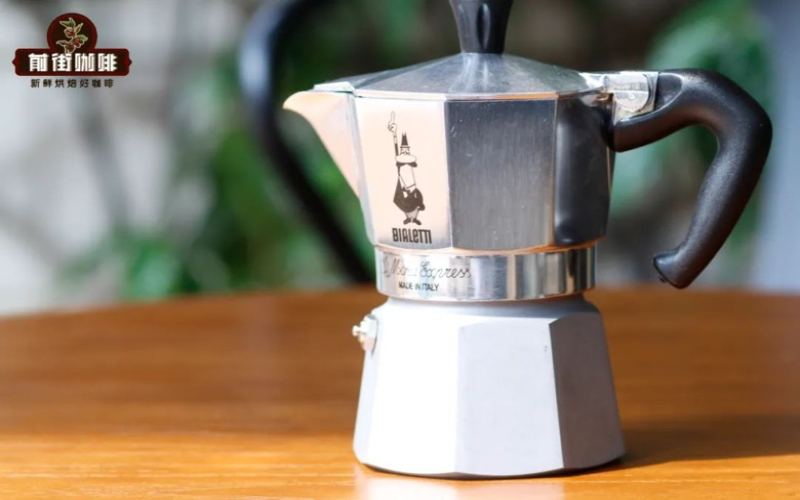
The Italian Family Moka Pot Tradition: National Coffee Culture in an Aluminum Pot
In Italy, the moka pot isn't called a gadget; it's called "the coffee machine at home." It is estimated that over ninety percent of Italian households own at least one moka pot. Every morning, millions of little aluminum pots gurgle one after another on the stove—that is the shared background sound of the nation's morning. Understand this material culture, and you can see why [more…]
SOE Coffee | How to distinguish single-origin SOE beans from espresso blend beans? Which coffee beans are suitable for making SOE? Is SOE coffee better in quality than espresso blend beans?
Have you noticed that many coffee shop menus now include a "switch to SOE" option, and some even offer several SOE choices? I believe quite a few friends have started to wonder what these letters actually mean. In this article, Front Street will summarize SOE and the blended coffee we commonly see. [more…]
Coffee Types | Do coffee connoisseurs drink pour-over coffee or drip bag coffee? What are the differences between drip bag coffee packs and pour-over black coffee?
For more specialty coffee knowledge, please follow: Front Street Coffee (Frontsteet Coffee). Do people who drink pour-over coffee not drink drip bag coffee? Do people who drink drip bag coffee not understand pour-over coffee? If you think so, you are greatly mistaken. In fact, there is no essential difference between pour-over coffee and drip bag coffee. At Front Street, there are [more…]
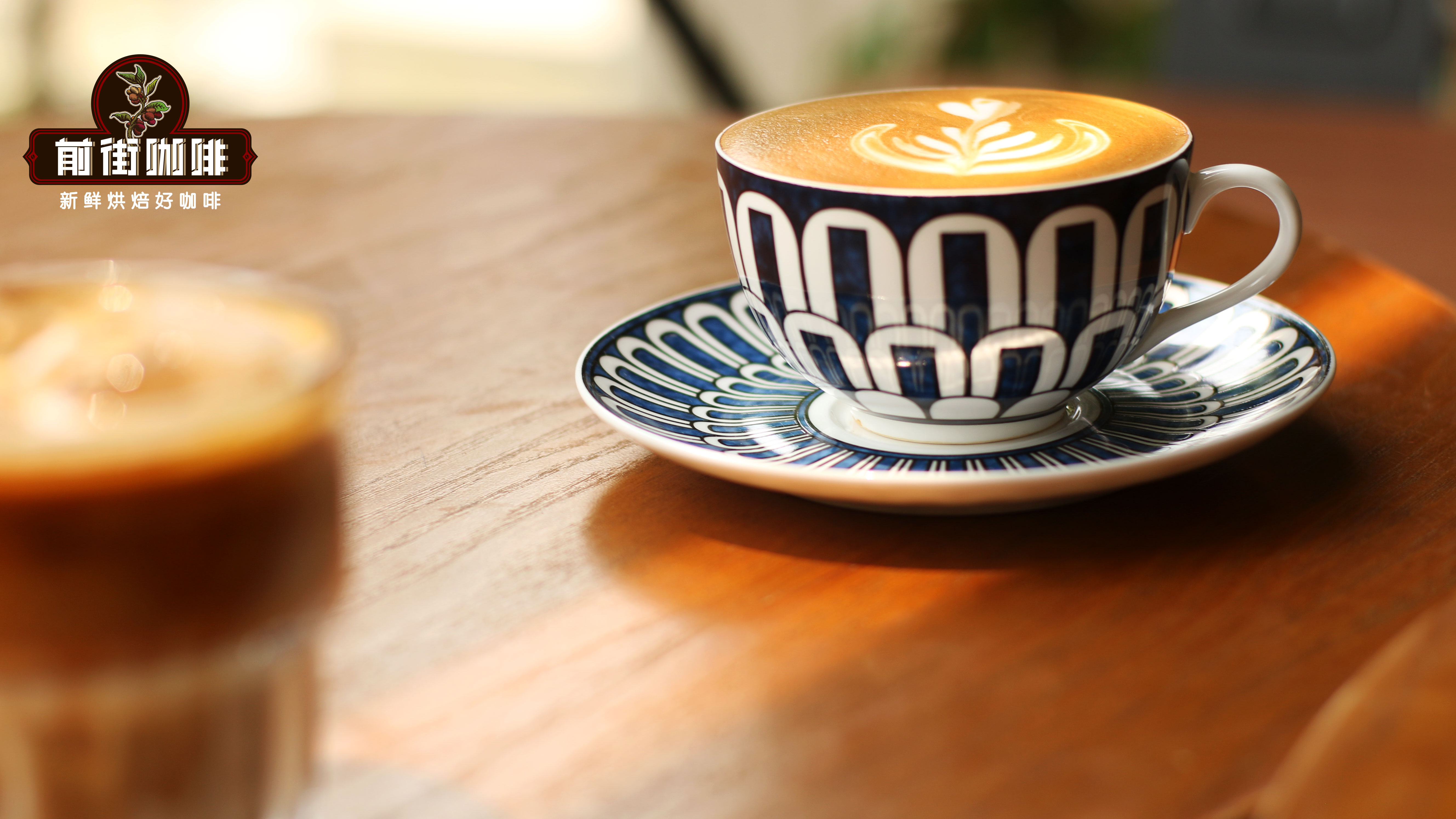
Homemade Latte Recipe | Did Latte Originate in Italy? What Is the Espresso-to-Milk Ratio for Making a Latte?
Latte originates from the transliteration of the Italian word "Latte." Latte coffee refers to coffee made by mixing a certain proportion of milk into espresso, and it is a type of fancy coffee. The original latte coffee originated in Vienna, the city of music. The Viennese began drinking coffee in the 17th century, when the Turkish army attacked [more…]
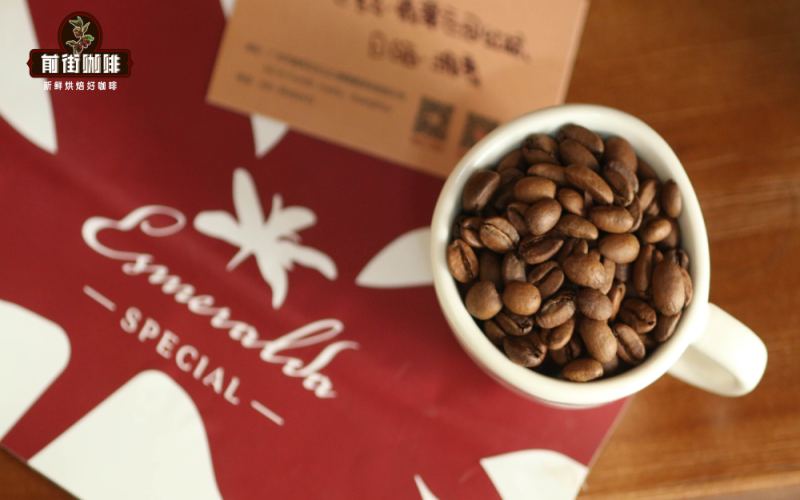
Pour-over Coffee Method | Which Single-Origin Coffee Beans Should Beginners Choose for Pour-over? Pour-over Coffee Extraction Methods, Brewing Techniques, and Coffee Equipment Introduction
The ancients said: The plan for a day lies in the morning. In the early morning, preparing a hearty breakfast for yourself and your family, and brewing a pot of fragrant coffee, not only benefits our physical and mental health and refreshes our minds, but also gives us a perfect start to the day. The technique of pour-over coffee is based on the same principle as brewing Kung Fu tea; different teas [more…]
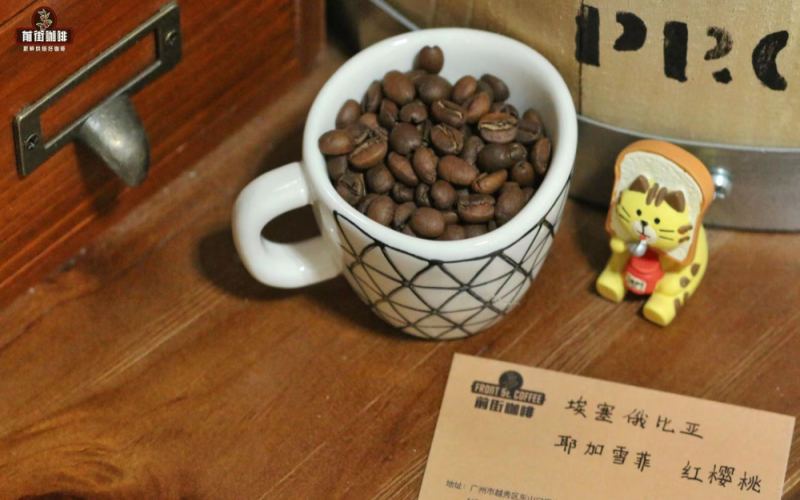
Siphon Coffee Brewing Principles | How to Make Delicious Siphon Coffee? Which Coffee Beans Are Suitable for Siphon Brewing?
In many people's minds, siphon coffee makers have a unique shape akin to chemical apparatus, and they always appear in period films and TV works, giving people a sense of mystery. As a practitioner in the coffee industry, Front Street Coffee naturally values most the use of the siphon brewer and the flavor characteristics of the coffee it brews. Hong [more…]

Drinking Water Quality | What Kind of Water Is Suitable for Pour-Over Coffee? Which Water Factors Affect Coffee Extraction? How Can Coffee Beginners Choose Drinking Water for Brewing Coffee?
As the primary raw material, water not only makes up the vast majority of a cup of black coffee, but also influences the extraction of different substances, thereby producing distinct flavors and mouthfeel. Therefore, all of us should understand the importance of water to coffee. Common drinking water on the market varies from brand to brand, in the ingredients it contains, and in its purification processes. [more…]
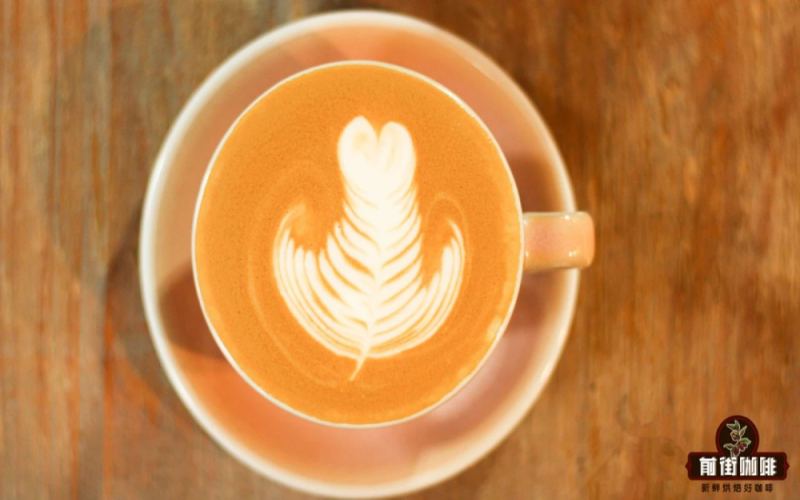
Cafe Latte Recipe Sharing | Where Does Latte Coffee Come From? Is There a Difference Between the Espresso-to-Milk Ratio in a Dirty Coffee and a Latte?
Latte comes from the transliteration of the Italian word Latte. Latte coffee refers to coffee made by mixing a certain proportion of milk into espresso, and it is a type of fancy coffee. The original latte coffee originated in Vienna, the city of music. The Viennese began drinking coffee in the 17th century, when the Turkish army attacked [more…]